
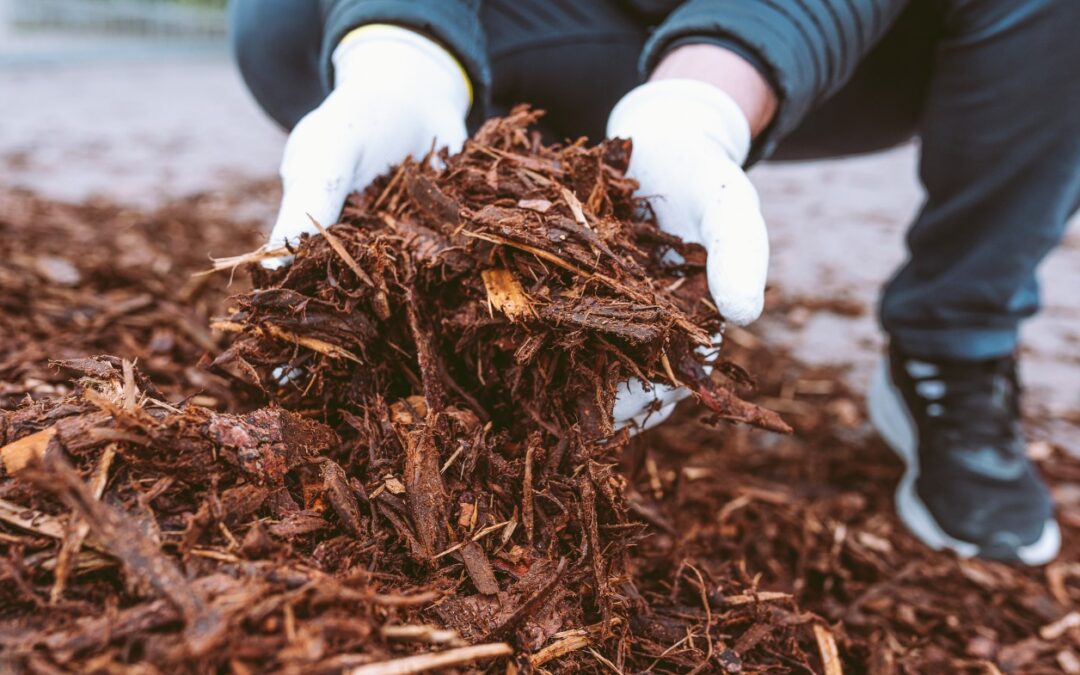
Mulching is a simple yet effective method to enhance your garden’s health and appearance. The benefits of mulching include moisture retention in the soil, which is crucial for the growth of plants, especially during dry seasons. A proper layer of mulch acts as a barrier, reducing water evaporation and allowing plants to stay hydrated longer. This can be particularly beneficial for busy homeowners who may not have time for frequent watering. Additionally, mulch helps suppress weeds by blocking sunlight from reaching the soil surface, which can significantly reduce the need for manual weeding.
Available in various materials and colors, mulch can complement the aesthetic of your home and garden, creating a polished look. It also keeps the soil temperature consistent, providing a stable environment for plant roots. By insulating the soil, mulch can protect plants from extreme temperature fluctuations, essential for their health and growth. These benefits of mulching make it an indispensable component of garden care, promoting a vibrant and healthy landscape without excessive maintenance.
Enhancing Soil Health and Fertility
Mulching is a critical gardening practice that offers numerous benefits, particularly in enhancing soil health and fertility. When organic mulches decompose, they add essential nutrients to the soil, enriching its quality and supporting healthier plant growth. This nutrient cycling process is fundamental in maintaining soil fertility over time, helping to ensure that your garden remains vibrant and productive.
By maintaining a layer of mulch, you are effectively insulating the soil from extreme temperature fluctuations. This stability allows microorganisms and earthworms to thrive, further enhancing soil structure and fertility. Healthy soil fosters a more robust root system, vital for the uptake of nutrients and water, leading to stronger, more resilient plants.
One of the direct benefits of mulching is its ability to retain moisture in the soil. This moisture retention is crucial during dry spells, reducing the need for frequent watering and protecting plants from drought stress. A well-mulched garden will require less water, reducing overall water usage and helping sustain your plants more efficiently.
Lastly, the consistent use of mulch can prevent soil compaction and erosion. By shielding the soil from harsh weather conditions and the impact of heavy rains, mulch helps maintain soil integrity. This prevents the loss of precious topsoil and keeps the garden bed looking neat and well cared for. Regular mulching will promote a healthier garden ecosystem and enhance the overall fertility of your soil, making it an indispensable practice for any gardener.
Weed Control and Landscape Aesthetics
One of the primary benefits of mulching is its ability to control weeds, which can be a significant challenge for any gardener or homeowner striving for a well-maintained yard. Mulch acts as a barrier, covering the soil and limiting the sunlight reaching weed seeds. This prevention helps reduce the growth of unwanted plants, making garden maintenance easier and less time-consuming.
In addition to weed control, mulching significantly enhances the aesthetic appeal of garden spaces. By providing a clean, unified look across garden beds, mulch can complement the greenery and the blooming flowers, making colors pop and borders look more defined. This visual enhancement is essential for anyone looking to improve their home’s curb appeal or create a more inviting outdoor space.
Here are a few common types of mulch used for both weed control and aesthetic purposes:
- Bark chips: Offer a natural look and decompose slowly.
- Straw: Excellent for vegetable gardens.
- Rubber mulch: Durable and often used in playgrounds.
- Stone or gravel: Ideal for pathways or around features.
By incorporating mulching into your gardening practices, you not only keep weeds at bay but also invest in the overall look and health of your plant beds. The benefits of mulching extend beyond simple aesthetics and weed control; they contribute to a healthier garden ecosystem by maintaining moisture and improving soil quality. Whether you’re a novice gardener or a seasoned landscaper, mulching is a technique worth adopting.
Water Conservation Techniques Through Mulching
One of the standout benefits of mulching is its ability to conserve water, which is crucial for maintaining healthy gardens and reducing water usage. Mulch acts as a barrier on top of the soil, minimizing evaporation and helping to retain moisture. This means your plants require less frequent watering, saving time and reducing your water bill. By maintaining a consistent level of moisture, mulch helps plants thrive during dry spells without the need for excessive watering.
Using mulch effectively can dramatically reduce the need for irrigation. Here’s how it works:
- Insulation: Mulch insulates the soil from extreme temperature changes, reducing the rate at which water evaporates during hot weather.
- Water Retention: Organic mulches like wood chips or straw help absorb and slowly release water back into the soil, making water available to plants over a longer period.
- Reduction of Runoff: Mulch improves the soil structure, preventing water runoff during heavy rains. This ensures that more water soaks into the ground and reaches the roots of plants.
Implementing mulching as part of your garden care routine can yield significant water savings. Here are some tips to get the most out of mulching:
- Choose the right type of mulch for your soil and plant types.
- Apply a 2-3 inch layer of mulch around plants, avoiding direct contact with plant stems to prevent rot.
Replenish mulch annually to maintain its benefits and keep your garden looking fresh.
By embracing the benefits of mulching, potential customers can enjoy a lush, vibrant garden while actively contributing to water conservation efforts. This approach enhances the aesthetic appeal of your property and promotes a more sustainable gardening practice.
Temperature Regulation and Plant Protection
One of the outstanding benefits of mulching is its ability to regulate soil temperature, a feature crucial for maintaining healthy plant growth. During the warmer months, mulch acts as an insulating layer, keeping the soil cool and stable, which prevents heat stress on plant roots. Conversely, in colder seasons, mulch helps retain the heat from the day, providing a buffer against frost and sudden temperature drops that can damage plant roots.
Mulch serves as a protective barrier for the soil and plants. It minimizes soil compaction during heavy rains, protecting the root systems and allowing for better water absorption. A mulch layer can also prevent soil from splashing onto plant stems and leaves during rainstorms, reducing the risk of soil-borne diseases that might otherwise adversely affect the plants.
The protective benefits of mulching extend to reducing the likelihood of plant injury. By cushioning the ground, mulch prevents weeds from directly contacting the plants. This reduces competition for vital nutrients and water and lessens the chance of physical damage to your plants from weed removal activities. As weeds struggle to penetrate the mulch barrier, your garden remains pristine and less disturbed, benefiting plant health and aesthetics.
Understanding the benefits of mulching is essential for potential customers looking to enhance their garden’s resilience and appearance. Not only does it aid in temperature regulation and plant protection, but it also contributes to a healthier, more vibrant garden. By choosing to mulch, you are investing in the long-term health and beauty of your landscaping efforts.
How to Mulch Properly: Tips and Techniques
Mulching is a simple yet effective technique to enhance your garden’s health and aesthetics. Understanding the proper way to mulch can ensure you maximize the benefits of mulching. Start by selecting the right mulch for your garden. Organic mulches like shredded bark, straw, or grass clippings decompose to enrich the soil and maintain moisture, which is crucial for plant health.
When applying mulch, timing and technique are key. It’s best to mulch in late spring after the soil has warmed up. This helps maintain soil temperature and moisture during the hot summer months. Apply a 2-3 inch layer of mulch around your plants, but keep it a few inches away from the stems and trunks. This prevents rot and pest invasions, which are common when mulch is piled too close to plant bases.
Here are a few tips to keep in mind:
- Use finer mulch for seedlings to penetrate water more easily.
- For established plants, chunkier mulch is preferable as it decomposes more slowly.
- Refresh mulch layers annually to maintain efficacy and appearance.
Finally, while mulching benefits most garden beds and borders, be cautious with areas prone to slugs and other pests. In such cases, the type of mulch and the amount used might need to be adjusted to prevent creating a habitat for pests. Engaging with experts like Miller’s Lawn Care can provide personalized advice, ensuring your garden not only thrives but also beautifully displays your hard work.
Contact Miller’s Lawn Care
If you’re considering the benefits of mulching for your garden, Miller’s Lawn Care is eager to help you enhance your garden’s health and beauty through expert mulching services. Whether you’re looking to conserve water, suppress weeds, or improve soil health, our team is ready to provide professional guidance and services. Contact us today to learn more about how mulching can benefit your property and to schedule your next service appointment.
Recent Comments