
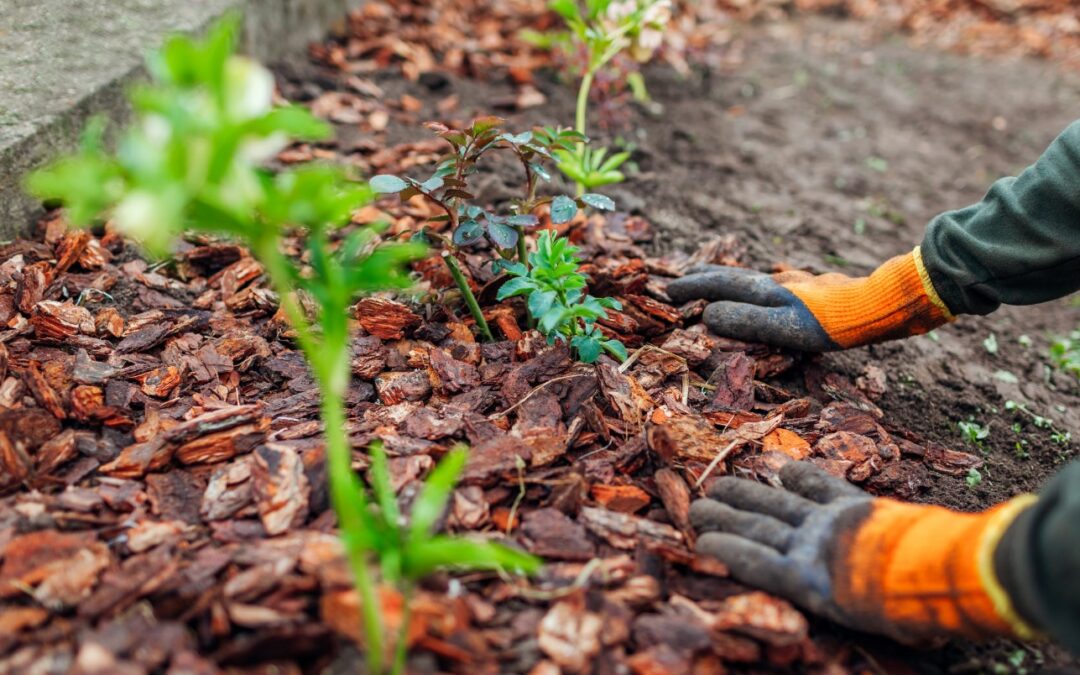
Mulching is a fundamental gardening practice that can significantly benefit plant health and soil quality when done correctly. However, it’s easy to make mistakes that can adversely affect your garden. In this introduction to the different kinds of mulching mistakes, we will guide you through the most common errors gardeners make, such as choosing inappropriate mulch types, applying mulch at the wrong time, or using improper quantities. By understanding these pitfalls, you can ensure that your mulching efforts are effective, enhancing your garden’s beauty and vitality without unintentional harm.
Mulching Mistakes: Common Errors to Watch Out For
Understanding the common mulching mistakes is essential when undertaking any gardening project to avoid compromising the health of your garden. When used correctly, Mulch conserves moisture, suppresses weeds, and enhances soil quality. However, errors in its application can lead to issues such as root rot, pest infestations, and plant stress. This introduction aims to highlight those frequent missteps so you can steer clear of them and maintain a healthy and vibrant garden.
Mulching too thickly or too close to plant stems can be particularly detrimental. When mulch is piled high against the stems or the base of trees, it retains excessive moisture on the bark, which encourages fungal growth and rot. This condition, often referred to as “mulch volcanoes,” can severely weaken or even kill plants. Additionally, overly thick layers of mulch can create a barrier that restricts air and water from reaching the soil, further stressing plants. Applying mulch correctly is crucial to reap its benefits without inadvertently harming your plants.
Here are some bullet points to consider when applying mulch:
- Depth of Application: Ideally, mulch should be spread 2 to 4 inches deep.
- Distance from Plants: Keep mulch about 2-3 inches away from plant stems and tree trunks.
- Material Choice: Use organic mulches like wood chips or straw, which improve the soil as they decompose.
- Even Distribution: Ensure mulch is evenly spread to avoid water pooling and uneven plant growth.
By avoiding these common mulching mistakes, you’ll improve your garden’s appearance, overall health, and productivity. Effective mulching is a skill that, once mastered, can significantly enhance your gardening success. Whether you are a seasoned gardener or just starting out, taking the time to learn about proper mulching techniques will pay dividends in your garden’s lushness and resilience.
Choosing the Wrong Mulch Type
One of the most common mulching mistakes is selecting the wrong type of mulch for specific plants and their respective environments. Not all mulches are equal; each type serves a unique purpose and is suited for different conditions and plant types. Organic mulches like bark chips are excellent for perennials and shrubs, enriching the soil as they decompose. In contrast, inorganic mulches such as rubber or gravel might be better in pathways or certain decorative areas where longevity and minimal maintenance are desired.
When choosing mulch, it’s important to consider the local climate and the specific needs of your garden. For instance, in very wet climates, using a highly absorbent mulch like peat moss can lead to too much moisture retention, which might harm the plants. Conversely, in arid areas, lighter mulches that reflect sunlight and conserve water can significantly improve the survival and health of your garden plants.
The color and texture of the mulch can also impact soil temperature and moisture levels. Dark mulches absorb more heat and can help warm the soil in cooler regions or seasons, while lighter colors are preferable in hot climates to keep roots cool. This is not just an aesthetic choice but a functional one that can affect the growth and vitality of your garden.
Awareness of how different mulch materials react over time and their maintenance needs can help avoid common mulching mistakes. Organic mulches need to be replenished as they decompose, while inorganic options require less frequent maintenance but do not improve soil structure or nutrient content. By selecting the appropriate mulch type and applying it correctly, you ensure your garden looks great and is set up for long-term success.
Applying Mulch Too Early in the Season
Timing is crucial when it comes to applying mulch, and one of the typical mulching mistakes is applying it too early in the season. Mulching too early can trap cold in the soil, delaying the warming process that plants need to break dormancy and begin spring growth. This can be particularly detrimental to warm-season plants, which require warm soil to thrive. It’s best to wait until the soil has adequately warmed up in the spring before applying mulch.
On the other hand, applying mulch too late can also be problematic, especially in preparation for winter. Mulch acts as an insulator and can help protect plant roots from freezing temperatures. If applied too late, the ground may be too cold, and the mulch will not provide the intended protection. Timing your mulching right before the onset of consistently cold weather can help ensure that plants remain protected throughout winter.
The timing of mulch application can affect moisture levels in the soil. Applying mulch after a prolonged dry spell may prevent much-needed rain from reaching the soil, causing plants to dehydrate. It’s wise to monitor weather patterns and soil moisture levels and apply mulch after thoroughly watering or rain, ensuring that moisture is sealed and weeds are suppressed.
By understanding the best times to apply mulch based on your local climate and seasonal changes, you can avoid common mulching mistakes that could hinder your garden’s health. Proper timing not only enhances mulch’s protective benefits but also optimizes its effectiveness in weed suppression and moisture conservation, key factors in maintaining a healthy garden.
Using Too Much Mulch Around Plants
Using too much mulch around plants is one of the common mulching mistakes that can have adverse effects on garden health. While it might seem like more mulch would provide greater benefits, such as increased moisture retention and weed suppression, the opposite is true. Excessive mulch can lead to water logging, which suffocates plant roots by limiting oxygen exchange. This can cause root rot and other fungal diseases, leading to weakened plants that are less able to thrive.
Thick layers of mulch can create a barrier that prevents water and nutrients from penetrating the soil, starving the plants of necessary sustenance. It is crucial to maintain a balance where the mulch is enough to suppress weeds and retain moisture, yet not so thick that it impedes water and nutrient infiltration. Typically, a layer of 2-4 inches is sufficient, depending on the mulch type and the plants’ requirements.
Excessive mulch can also attract pests, such as rodents and insects, which find shelter in the thick, often moist layers. These pests can be detrimental to both the plants and the broader garden ecosystem. To minimize this risk, it’s important to keep mulch at a moderate depth and monitor regularly for signs of pest infestation.
By avoiding the mistake of over-mulching, gardeners can ensure that their plants receive optimal protection and support from their mulch without the associated risks. Proper mulching practices promote healthier plants and more vibrant gardens, making it a critical skill for any gardener to master.
Neglecting to Replace Old Mulch
Neglecting to replace old mulch is another common mulching mistake that can negatively impact garden health. Over time, organic mulch breaks down and decomposes, which is beneficial for soil enrichment but also diminishes its effectiveness in suppressing weeds and retaining moisture. Regularly checking and refreshing mulch ensures it continues to perform its intended functions effectively.
Allowing mulch to become compacted and matted over time is an issue often overlooked. As mulch decomposes, it can become dense, especially if frequently exposed to rain or irrigation. This density can prevent water and air from reaching the soil, stifling root growth and reducing the soil’s overall health. Fluffing up mulch periodically and adding a fresh layer can help maintain its loose structure, which is vital for healthy plant growth.
Old mulch can sometimes harbor diseases and pests that can spread to your plants. As part of garden maintenance, removing or turning over old mulch can help minimize this risk, keeping your garden safe from unwanted infestations. This practice helps maintain a healthy environment for your plants to thrive.
By understanding the importance of replacing old mulch, gardeners can ensure their soil remains fertile, and their plants stay healthy. This simple yet often neglected task is crucial for maintaining the aesthetic and functional benefits of mulching, promoting a vibrant and productive garden.
Ignoring Local Climate and Soil Conditions
Ignoring local climate and soil conditions is a frequent mulching mistake that can greatly influence the effectiveness of your mulching efforts. Different climates and soils have unique needs that influence the type of mulch used and how it is applied. For instance, in very dry areas, mulches that retain moisture are essential, whereas in more humid regions, using such mulches could lead to excessive moisture, fostering fungal growth and root diseases.
When choosing a mulch, it’s also important to consider the soil’s acidity and the type of plants you are cultivating. Some mulches, like pine needles, can acidify the soil over time, which is beneficial for acid-loving plants but harmful to others that require neutral or alkaline conditions. Matching the mulch to your soil’s and plants’ needs can prevent issues like nutrient lockout and plant stress, enhancing overall garden health.
The local fauna should also be considered when selecting mulch. In areas with a high population of termites or other wood-loving pests, using wood-based mulches might not be the best choice as it could attract these pests to your garden. Opting for less appealing alternatives to pests can help protect your plants and your property.
By paying close attention to the local environmental factors and tailoring your mulching practices accordingly, you can avoid common mulching mistakes that may otherwise go unnoticed. This proactive approach ensures that your mulching serves its purpose and complements the natural environment, leading to a healthier and more sustainable garden.
Contact Miller’s Lawn Care
At Miller’s Lawn Care, we understand the challenges and intricacies of proper mulching practices. If you’re unsure about the type and amount of mulch best suited for your garden or if you need help applying it correctly, contact us today. We offer expert advice and services to ensure your mulching contributes to a healthier, more vibrant garden. Our team is here to help you avoid common mulching mistakes and achieve the beautiful, sustainable landscape you desire.
Recent Comments