
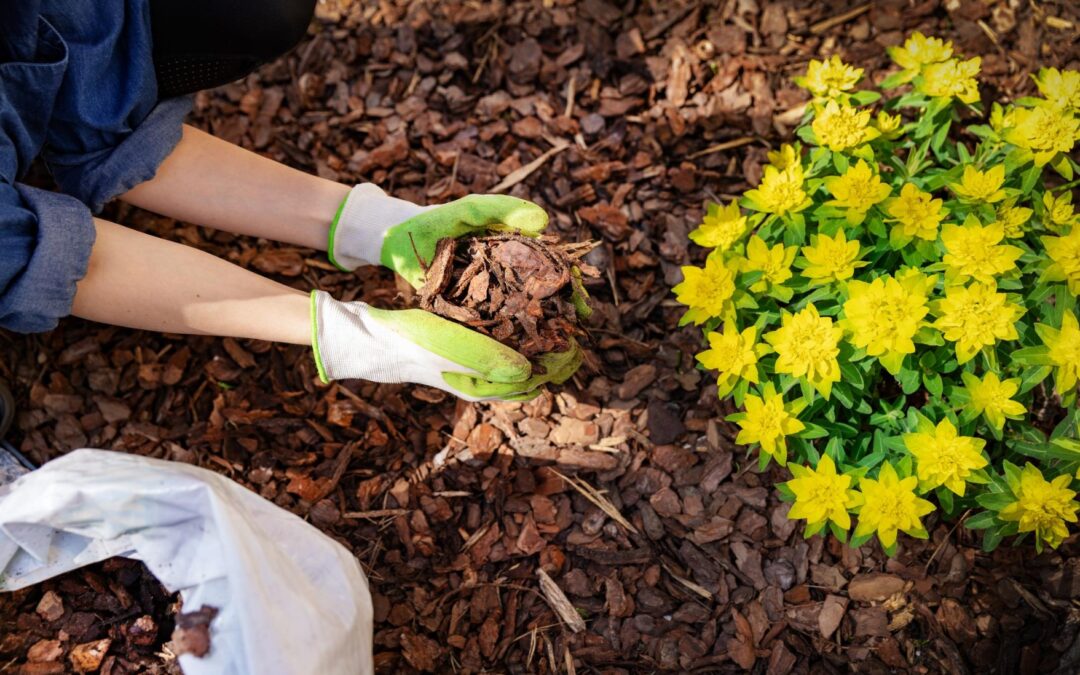
Mulch is more than just a decorative addition to your garden; it plays a crucial role in maintaining soil health, conserving moisture, and suppressing weeds. However, with so many types of mulch available, choosing the right one for your landscaping needs can be a bit overwhelming. In this guide, we’ll explore the various options, from organic to inorganic mulches, and help you make an informed decision about which mulch is the perfect fit for your garden or landscape project. Whether you’re aiming for an aesthetically pleasing garden, optimal plant growth, or simply ease of maintenance, understanding the different types of mulch will empower you to enhance the beauty and health of your outdoor space.
Benefits of Mulching
Mulching offers a wide range of benefits that can significantly improve the health and appearance of your outdoor space. First and foremost, mulch acts as a natural insulator for your soil, helping to regulate its temperature. In the scorching heat of summer or the freezing cold of winter, mulch serves as a protective barrier, preventing extreme temperature fluctuations that can stress your plants’ root systems.
Mulch helps retain moisture in the soil by reducing evaporation, which means less frequent watering. This is particularly advantageous in regions with hot and dry climates or during drought conditions when water conservation is essential. By keeping the soil consistently moist, mulch fosters ideal conditions for plant growth and root development.
Mulching serves as a formidable opponent to weeds. A thick layer of mulch suppresses weed growth by blocking sunlight, preventing weed seeds from germinating, and making it harder for established weeds to take hold. This not only reduces the time and effort required for weed control but also keeps your garden or landscape looking pristine and well-maintained. The benefits of mulching extend beyond aesthetics and convenience; they contribute to the overall health and sustainability of your outdoor environment.
Organic Mulch Options
Organic mulches are derived from natural materials that decompose over time, enriching the soil as they break down. These types of mulches offer a variety of options to gardeners and landscapers, each with its own unique benefits. Here are some popular choices for organic mulch:
- Wood Chips and Bark: Wood chips and bark mulch are commonly used in landscaping. They not only provide a clean and attractive appearance but also improve soil structure as they decompose. Hardwood varieties, such as oak and maple, are slower to decompose and can last longer.
- Straw and Hay: Straw and hay mulch are excellent for vegetable gardens and flower beds. They help retain moisture, prevent weed growth, and gradually release nutrients as they break down. Be cautious of potential weed seeds in hay.
- Compost: Compost is a rich, organic mulch that not only conserves moisture and inhibits weed growth but also enriches the soil with essential nutrients. It’s an excellent choice for improving the overall health of your garden or landscape.
- Leaves: Shredded leaves make an environmentally friendly mulch option, especially in the fall when leaves are abundant. They create a natural, nutrient-rich layer that decomposes slowly and adds organic matter to the soil.
- Pine Straw: Pine straw is a popular choice in regions where pine trees are prevalent. It has a long-lasting quality and a unique texture that works well in various landscaping settings.
- Grass Clippings: Grass clippings can be used as mulch, especially if they are free from pesticides. They help with moisture retention and add valuable nitrogen to the soil as they decompose.
Organic mulches offer numerous advantages, from improving soil fertility to enhancing the overall appearance of your garden or landscape. The choice of organic mulch depends on your specific needs and preferences, as well as the local availability of materials.
Inorganic Mulch Choices
Inorganic mulches are made from materials that do not decompose over time. They are often chosen for their long-lasting nature and ability to provide effective weed control. Here are some common inorganic mulch options:
- Gravel and Stone: Gravel and crushed stone are popular choices for inorganic mulch. They provide excellent weed suppression and are well-suited for areas with high foot traffic, such as pathways and driveways. They also create a modern and low-maintenance landscape.
- Landscape Fabric: Landscape fabric, also known as weed barrier fabric, is placed beneath mulch to prevent weeds from growing through. It allows water and nutrients to pass through to the soil while blocking sunlight, making it an effective weed control method.
- Rubber Mulch: Made from recycled rubber, rubber mulch is a durable and long-lasting option. It is often used in playgrounds and areas where safety is a concern due to its shock-absorbing properties. It doesn’t break down like organic mulches.
- Plastic Mulch: Plastic mulch comes in various forms, including sheets and rolls. It’s commonly used in vegetable gardens to warm the soil, improve moisture retention, and suppress weeds. Colored plastic mulches can also influence plant growth by reflecting specific wavelengths of light.
- Lava Rock: Lava rock is an aesthetically pleasing inorganic mulch option. It is lightweight, does not decompose, and provides effective weed control. Its unique texture adds visual interest to landscaping projects.
Inorganic mulches are prized for their durability and low maintenance requirements. They are particularly useful in areas where long-term weed suppression is a priority or where a specific aesthetic is desired.
Considerations for Mulch Selection
When choosing the right mulch for your garden or landscape, several important considerations should guide your decision-making process. While there is no one-size-fits-all solution, taking these factors into account will help you make an informed choice that aligns with your specific needs and preferences.
- Aesthetic Appeal: Consider the overall look you want to achieve in your outdoor space. Organic mulches like wood chips or straw can provide a natural and rustic appearance, while inorganic mulches such as gravel or stone offer a more modern and polished look. The mulch you choose should complement the style and aesthetics of your landscape.
- Plant Types: Think about the types of plants you have or plan to grow in your garden. Some plants, like vegetables and annuals, may benefit from organic mulches that break down over time and enrich the soil. On the other hand, certain perennial plants and trees may thrive with inorganic mulches that provide long-lasting weed control and moisture retention.
- Climate and Location: Consider your local climate and the specific location where you’ll be applying mulch. In hot and dry climates, mulch plays a crucial role in conserving moisture. If you live in an area with heavy rainfall, drainage may be a concern, and inorganic mulches like gravel can be a better choice. Also, think about the slope of your land, as mulch can help with erosion control on slopes.
- Maintenance Preferences: Evaluate your willingness and ability to maintain your mulch over time. Organic mulches require periodic replenishing as they decompose, while inorganic mulches are more permanent but may require occasional cleaning and leveling. Choose a mulch that aligns with your maintenance preferences and schedule.
- Cost and Availability: Consider your budget and the availability of mulch materials in your area. Some mulch types may be more affordable and readily accessible than others. Be sure to factor in the initial cost as well as any long-term maintenance costs when making your decision.
By carefully weighing these considerations, you can select the mulch that best suits your unique landscaping needs and goals, ensuring a thriving and visually appealing outdoor environment.
Contact Miller’s Lawn Care
For expert advice on mulch selection and all your lawn care and landscaping needs, don’t hesitate to contact Miller’s Lawn Care. Our experienced team is here to assist you in creating a beautiful and well-maintained outdoor space that suits your preferences and enhances the value of your property. Whether you’re looking for professional mulching services, lawn care, landscaping design, or any other outdoor maintenance needs, we’re dedicated to delivering exceptional results.
Recent Comments